
By Ogogo Victory U., RDN
If you have recently had a gastric balloon inserted, one of the first questions you may have is: What can I eat now?
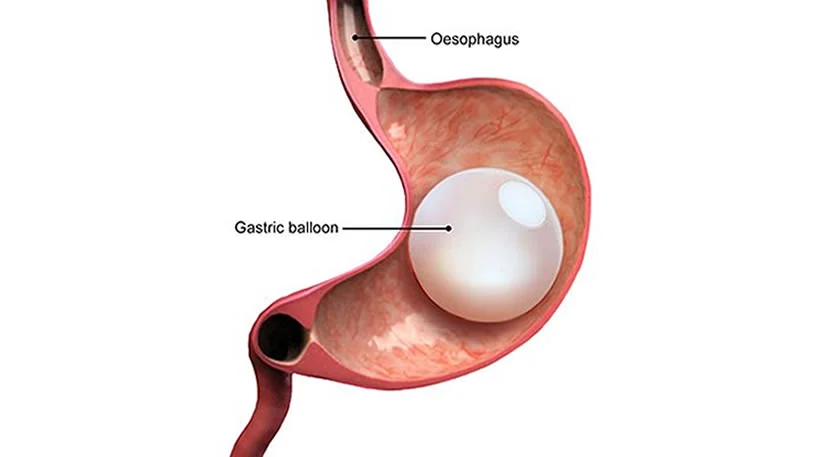
A gastric balloon is a temporary, non-surgical weight-loss treatment that helps you feel fuller with smaller portions. Because your stomach needs time to adjust, your diet after the procedure should be introduced gradually.
Following a structured gastric balloon diet can help reduce discomfort, manage symptoms such as nausea and reflux, and support healthier eating habits throughout your weight-loss journey.
The exact timing varies depending on your balloon type and your healthcare team’s recommendations, but most patients gradually progress from liquids to soft foods and then to a balanced regular diet.
The 4 Stages of the Gastric Balloon Diet
Stage 1: Liquid Diet (1-14 days after balloon placement)
The first stage allows your stomach to adjust while you focus on hydration and gradually introduce nutrition.
Suitable options may include: Still water, low‑sodium clear broth, decaffeinated herbal teas (non‑carbonated, non‑caffeinated, sugar‑free), high‑protein shakes (≥20 g protein per serving), plain Greek yogurt, skim or unsweetened plant milks (soy or almond), strained cream soups made with low‑fat milk, vegetable juice.
Take small sips rather than drinking large amounts at once.
Avoid: Carbonated drinks, straws, alcohol, caffeine, processed fruit juices, sugary beverages, milk, and any blended or solid foods.
Tip: If you feel pressure, nausea or discomfort, slow down and stop until you feel comfortable.
Stage 2: Puréed and Blended Foods (2-4 weeks)
Goal: Gradually reintroduce texture while protecting balloon tolerance.
Foods should be smooth, lump‑free, and similar in consistency to applesauce.
Recommended foods: Puréed lean meats (chicken, turkey, fish), scrambled or soft‑boiled eggs, plain Greek yogurt, puréed beans, small amounts of mashed avocado for moisture.
Mindful eating rules: Meals last about 20 minutes, chew thoroughly (even soft foods), eat without distractions, stop immediately if you feel pressure, nausea, hiccups, or fullness.
Portions: 60–125 ml per meal, with protein first every time.
Stage 3: Soft Foods (5 weeks and beyond)
Goal: Establish sustainable, long‑term eating habits.
Reintroduce foods slowly, following this order:
Soft, moist proteins (grilled fish, shredded chicken/turkey)
Non‑starchy vegetables (well‑cooked spinach, carrots)
Limited complex carbohydrates (small portions of quinoa, oats, or sweet potato)
Key rules for success: Protein first at every meal, vegetables second, carbohydrates last and in small amounts, small frequent meals, add protein‑focused snacks only if needed and stop eating at comfortable fullness
Foods to Avoid or Limit After a Gastric Balloon
Food tolerance varies from person to person, especially during the early stages. Some foods may be more difficult to tolerate or may cause discomfort e.g. citrus fruits, tough or dry meats, doughy breads and pizza crust, stringy vegetables (celery, asparagus), nuts, seeds, popcorn, sticky foods like clumped rice or white bread.
Introduce new foods gradually. If something causes pain, nausea, reflux or discomfort, stop eating it and speak with your dietitian.
Managing Common Gastric Balloon Side Effects
Nausea
Eat and drink slowly and take small amounts at a time. If nausea is severe or persistent, contact your healthcare team.
Nausea
Choose smaller meals and avoid lying down immediately after eating. You may also need to limit foods and drinks that trigger your symptoms.
Constipation
Stay hydrated, take up to 3L of water daily. As your diet progresses, gradually introduce fibre-rich foods and remain physically active when cleared to exercise.
Bloating and Burping
Eat slowly and avoid swallowing excess air. Carbonated drinks, chewing gum and drinking too quickly can increase bloating and burping.
Vomitting
If you vomit, stop eating and follow the instructions provided by your bariatric team. If vomiting continues, you cannot keep fluids down, or you develop significant abdominal pain, contact your healthcare provider promptly.
Recent Posts
- Retatrutide: What the New Weight Loss Drug Could Mean for Obesity Treatment in Nigeria
- The Dangerous Rise Of Unsupervised Weight Loss
- The First Year After Bariatric Surgery: What to Expect
- Why Do Nigerians Still Hide Their Weight Loss Journeys?
- Gastric Balloon Diet: What Do I Eat After Gastric Balloon Insertion?
How Much Water Should You Drink After a Gastric Balloon?
Hydration is particularly important after gastric balloon placement. Take small sips regularly throughout the day rather than drinking a large amount at once. You should drink up to 3L of water daily.
If you are struggling to keep fluids down or have signs of dehydration, contact your healthcare team.
Frequently Asked Questions
What can I eat after a gastric balloon?
Your diet will usually progress from liquids to puréed foods, soft foods and eventually regular-texture healthy foods. Your healthcare team will tell you when you are ready to move between stages.
How long after a gastric balloon can I eat solid food?
There is no single timeline for everyone. The transition depends on your balloon type, symptoms and your healthcare provider’s protocol. Always follow your personalized diet plan.
Can I drink fizzy drinks with a gastric balloon?
It is generally best to avoid carbonated drinks because they can increase bloating and discomfort.
Can I eat rice after a gastric balloon?
Rice may be difficult to tolerate for some people, particularly during the early stages. Once you are cleared for regular foods, introduce small portions slowly and chew thoroughly.
Can I eat bread after a gastric balloon?
Dry or doughy bread can be difficult for some people to tolerate. Introduce it gradually and follow your dietitian’s advice.
Is the gastric balloon enough to lose weight?
A gastric balloon is a weight-loss tool, not a magic solution. The best results come from combining the balloon with healthy eating, physical activity and ongoing professional support.
Make Your Gastric Balloon Work for You
A gastric balloon can help you feel fuller with smaller portions, but your daily habits play an important role in your results.
Following your gastric balloon diet, staying hydrated, prioritizing protein and learning to recognize fullness can help you build healthier habits for long-term weight management.
At Getslim Bariatric Centre, our bariatric team provides personalized nutritional guidance to help you make the most of your treatment.