By Dr. Timi Adenuga, Bariatric and Laparoscopic Surgeon
A
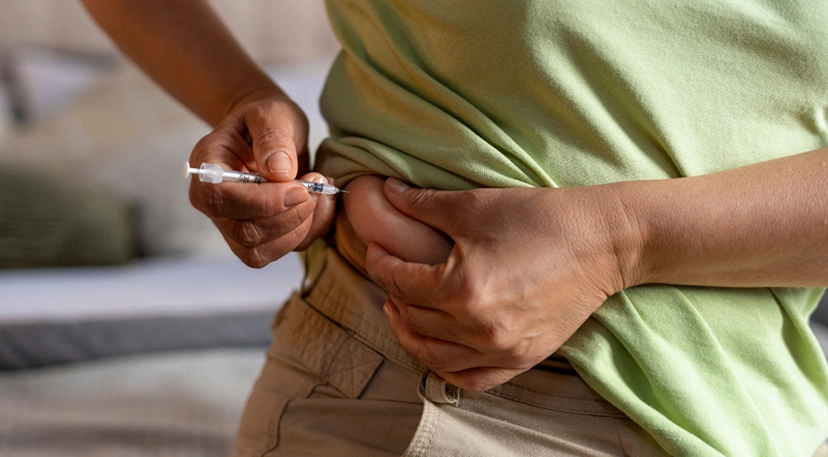
buja, Nigeria – A woman was rushed to the hospital after prolonged vomiting and fainting spells after taking a ‘weight loss shot’ at a spa. After resuscitating her, further inquiry showed that she was desirous of weight loss and was advised by one of her friends to go for the slimming pen at one of the big spas in town. She did not speak with a physician and was given a dose that was four times what she should have started with by the aesthetic ‘specialist.’ She was not informed about adverse effects or risks; all she was told was that she was going to lose 5kg in a few days.
This is a true-life story, and this scene is playing out every day across Nigeria with weight loss injections peddled across the counter, administered in spas and hawked on Instagram and TikTok. This is a growing public health crisis.
The first year after weight-loss surgery is a period of significant physical and emotional change. Your eating habits, activity levels and nutritional needs will gradually change as your body adjusts.
With the right support and guidance, you can use this period to build healthy habits that last well beyond your first year.
The Rise of “Miracle” Slimming Pens
It is obvious that Nigerians, especially young and middle-aged women, are being targeted by the current unregulated market of weight loss injections. Semaglutide (Ozempic and Wegovy) and Tirzepatide (Mounjaro) are among the commonest drugs used worldwide for weight loss and work by suppressing appetite and reducing food cravings.
These drugs have adverse effect warnings that are either not understood or ignored by the charlatans who peddle them. They are injected without consultation or medical supervision and are sold like snacks on shelves in spas, beauty salons, and online.
These drugs are not to be used in people with a family history of thyroid cancer, kidney issues, and allergies and they need to be carefully used or completely avoided in people on other medications for diabetes, pregnant or breastfeeding women, and people with pancreatitis, gallstone disease, and gastroparesis.
Yet, in Nigeria, these drugs are often administered by people without any medical background putting their clients at the most severe risk of having significant side effects.
Problems of unsupervised use of slimming pens
Weight loss injections are actually very safe when used within a structured program with good follow up. Deaths are rare as well as hospital admissions. However, in the setting of unsupervised use, it can become a dangerous tool for a disease with inherent problems.
Patients are not screened for medical conditions that may preclude the injections from being started, they are not advised about possible side effects and when to seek medical attention, poor follow up and exaggerated weight loss expectations are some of the issues with
unsupervised use.
The commonest mistake I have seen in my practice and interaction with people who procure or have their injections administered at spas and beauty salons is the erroneous thinking that starting patients at a very high dose would lead to faster weight loss.
This is often not the case and starting at really high doses lead to significant side effects that sometimes may require hospital admission and resuscitation.
It is also to be noted that many of these spas and vendors do not offer any form of after care to check or follow up for side effects or include the services of a dietitian to help monitor outcomes.
The lack of holistic care and counselling the patient on lifestyle modifications means even if the patient loses weight, they are very likely to regain it fast without lifestyle changes hence the cycle continues.
Why Are Young Women the Target?
The current landscape of Nigerian pop culture, social media, influencers, and the film industry tends to glorify specific body habitus, with many Nigerian celebrities flaunting their ‘snatched’ waistlines, steering more Nigerians to changing their expectations on the ultimate
definition of feminine beauty.
On one hand, it has helped the cosmetic and aesthetic surgeons in the country, as the rates of BBL and tummy tucks have gotten to an all-time high in Nigeria; however, it has increased the activities of unqualified agents prescribing and
administering weight loss injections.
Spa owners and vendors capitalize on this insecurity, offering young women the ‘easy way out’ as their version of weight loss injection stories
does not involve undesirable long-term dieting or strenuous exercise.
A friend of mine who lives in Lagos once told me, ‘It’s easier to get weight loss injections in Lagos than it is to get
certain antibiotics!’ The unprecedented hype around weight loss injections is so high now that it is viewed as a lifestyle fad rather than serious medication that requires a doctor’s consultation and prescription
What is the way forward?
Unlike the U.S. or Europe, where these drugs require prescriptions, Nigeria’s markets and spas operate without regard to standard medical guidelines.
Many unlicensed practitioners ship medication from all parts of the world and sell or directly administer on unsuspecting Nigerians.
What many Nigerians don’t know is that losing weight affects more than just the outward appearance and there is complex interaction with body organs and systems. Weight management is not just about weekly jabs; it requires holistic care supervised by a physician and includes a trained dietitian, and lifestyle modification.
It is quite a dangerous thing where spas replace clinics and influencers and technicians replace trained doctors. There is also a need to educate the populace, especially young women, on avoiding unrealistic weight loss expectations and conforming to narrow beauty ideals. Nigerians should be aware of the various weight loss options (intragastric balloon, weight loss surgery), and the need to get weight management care in a program led by qualified physicians and dietitians.
Celebrities and influencers should be held accountable for promoting unverified weight loss products.
Recent Posts
- Retatrutide: What the New Weight Loss Drug Could Mean for Obesity Treatment in Nigeria
- The Dangerous Rise Of Unsupervised Weight Loss
- The First Year After Bariatric Surgery: What to Expect
- Why Do Nigerians Still Hide Their Weight Loss Journeys?
- Gastric Balloon Diet: What Do I Eat After Gastric Balloon Insertion?
Finally, the government can help create regional weight loss clinics certified by regulatory agencies and train more doctors on obesity medicine to make quality weight management care readily available and accessible to the populace.
In conclusion, the weight loss injection epidemic going on is a reflection of the need for better systems. Nigerians deserve better than the risky and ineffective shortcuts offered by opportunists.
Weight loss is more than just injections; it is holistic and involves lifestyle modification, proper diet and exercise, and a program directed by specialists. Societal values should change from the wrong definition of beauty for women with a focus on waistlines and focus on the long-term solution of proper diet and lifestyle modification.
Let’s save our sisters, friends, and daughters from becoming casualties of this epidemic. It’s time to act!
Dr. Timi Adenuga, Consultant Bariatric and laparoscopic surgeon at Getslim Bariatric Center
Contact Us
Phone: 0701 622 2580
Email: frontdesk@getslim.ng