
When comparing Ozempic and Mounjaro, the first line of thought for most people is to reduce their research to a simple question of which one is “better” or “cheaper”.
The reality, however, is more nuanced.
Yes, they’re both weekly injections that curb appetite and help to manage your sugar level. So, it’s easy to lump them together and assume they’re interchangeable — they’re not.
Their effectiveness, side effects, cost, and how they work in the body vary.
This guide compares Ozempic (semaglutide) and Mounjaro (tirzepatide) across the factors that matter most, so you can make a more informed decision about which option is right for you.
Key Takeaways
- Mounjaro generally produces greater weight loss than Ozempic in clinical trials, though individual results vary.
- Side effects are similar across both medications but you can manage with proper dose escalation.
- Cost matters, but also consider appetite suppression, long-term sustainability, and medical support when making a choice.
- The best results usually come from choosing the right medication and the right programme for your goals.
Why Many People Compare Ozempic and Mounjaro
People compare Ozempic and Mounjaro because they’re usually the two most popular names that pop up when you’re looking into weight-loss medication.
Ozempic is a prescription medication with Semaglutide as the active ingredient, which targets the Glucagon-like peptide-1 (GLP-1) hormone. Mounjaro is also a prescription drug but with Tirzepatide as an active ingredient. It targets the GLP-1 and Glucose-Dependent Insulinotropic Polypeptide (also known as GIP) gut hormone, making it a dual agonist receptor — a medical way of saying it targets hunger signals from two different angles.
This definition alone tells you they’re similar, yet very different.
Still, about eight out of ten people who reach out to us about weight-loss injections don’t ask for either by name. They’re simply looking for a sustainable, yet effective weight loss option.
If you’re in this boat, move beyond the brand names and ask more practical questions:
- Which one leads to more weight loss?
- Which one is easier to tolerate?
- Is the extra cost worth it?
- And what happens if it doesn’t work?
The answers aren’t always as straightforward. But before you settle on an option, let’s look at both medications at a glance.
Ozempic vs Mounjaro at a Glance
The core difference between both medication is;
- Semaglutide (brand name: Ozempic and Wegovy) targets only the GLP-1 hormone, whereas
- Tirzepatide (brand name: Mounjaro and Zepbound) acts on the GLP-1 and GIP receptors, generally resulting in stronger weight loss and blood sugar control.
Ozempic, manufactured by Novo Nordisk, and Mounjaro, manufactured by Eli Lilly, were originally developed and marketed for type 2 diabetes. Over time, both medications were also found to support significant weight loss in many patients.
To meet growing demand for medical weight-loss treatment, both companies later introduced weight-management versions of these drugs.
Novo Nordisk developed Wegovy, which uses semaglutide, while Eli Lilly developed Zepbound, which uses tirzepatide.
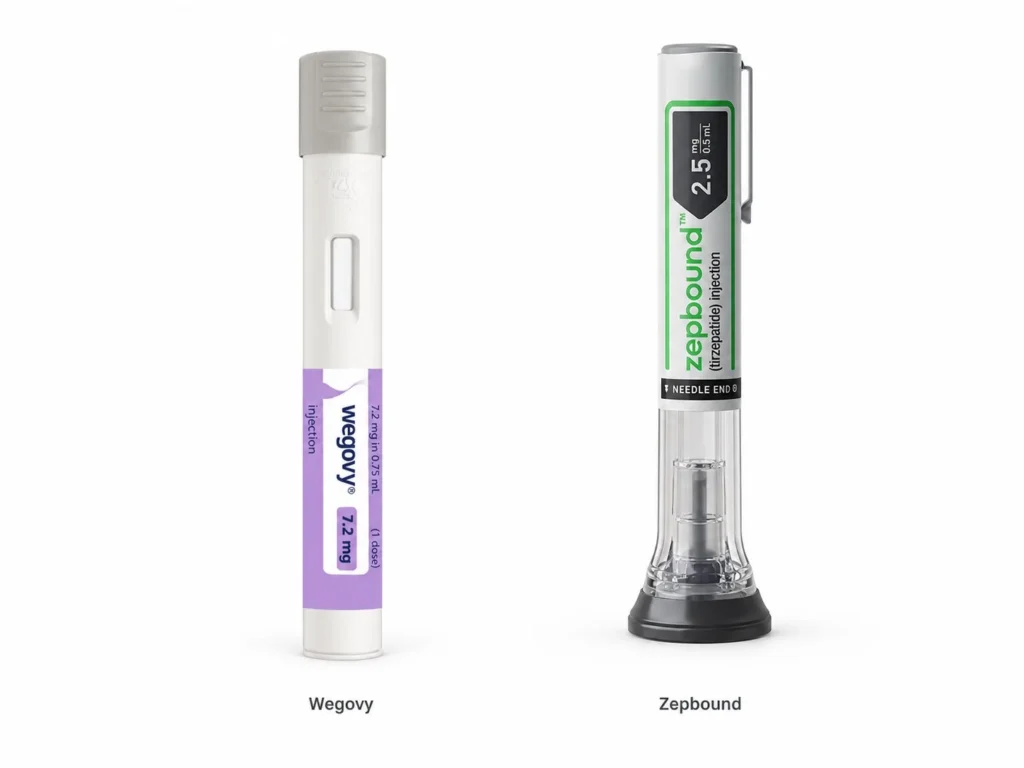
The active ingredients are the same, but the branding, approved use, and treatment positioning are different.
The diagram below shows what Ozempic and Mounjaro have in common and where they differ.
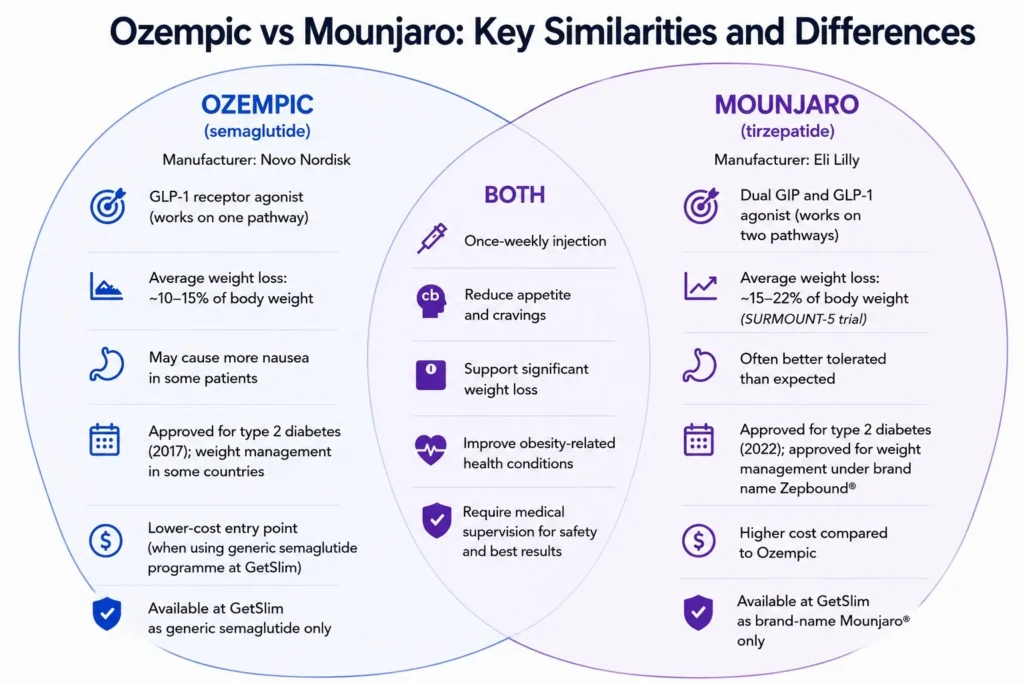
However, that’s only a quick view. Let’s look at the difference that matters most for weight loss.
What Makes Mounjaro Different From Ozempic?
Mounjaro works on two related hunger hormone pathways instead of one.
Think of your appetite like a set of signals constantly moving between your stomach, brain, and hormones. Some signals tell you you’re hungry. Others help you feel full. Ozempic and Mounjaro both help turn down hunger signals, but Mounjaro’s dual approach sends a stronger fullness signal, and supports how your body uses and burns fat.
How Ozempic Works
Ozempic mimics the GLP-1, a natural hormone your body releases after you eat, to help regulate appetite and fullness. This helps to slow down how quickly food leaves your stomach and tells your brain that you’re full sooner.
That is why many people on Ozempic feel satisfied with smaller portions and notice fewer cravings.
How Mounjaro Works
Mounjaro works on GLP-1 too, but also acts on another hormone pathway called the GIP receptor.
That’s the dual approach we mentioned earlier. GLP-1 helps you feel fuller and slows how quickly food leaves your stomach. GIP supports how your body responds to sugar and also plays a role in appetite suppression and fat metabolism.
GIP receptors are concentrated in fat cells. When Mounjaro activates them, it triggers lipolysis, the process your body uses to break down and burn stored fat for energy.
Why That Difference Matters for Weight Loss
It matters because this difference directly influences potency, fat metabolism, and how the brain processes hunger.
In the SURMOUNT-5 trial, participants on tirzepatide lost an average of 20.2% of their body weight, compared with 13.7% for those on semaglutide.
That same pattern shows up in Getslim’s clinic, especially among patients who start with semaglutide but don’t get the level of appetite control or weight loss they expected.
“When we switch them to Mounjaro, many a times the results are usually better,” says Dr. Timi Adenuga, Lead Bariatric Surgeon at Getslim. “They tend to lose more weight, and the appetite suppression is better.”
So, if you’ve tried different diets or even semaglutide before, struggled with cravings, or lost weight only to regain it, tirzepatide has a higher chance of helping you stay fuller for longer. This then makes it easier to eat less and sustain your weight loss over time.
Which Medication Has More Side Effects?
You may assume because Mounjaro targets two hormone pathways, it must produce more side effects. It doesn’t.
Both Ozempic and Mounjaro can cause gastrointestinal distress, especially when you’re starting out or increasing your dose. That’s because they belong to the same class of medications used to help manage type 2 diabetes and promote weight loss.
Common Side Effects of Ozempic and Mounjaro
The most common side effects for Ozempic and Mounjaro are gastrointestinal problems, such as:
- Nausea: More common with Ozempic.
- Diarrhea: More common with Mounjaro.
- Vomiting: Reported in about 1 in 20 patients (i.e 5%) for both drugs.
- Constipation: Can be severe on both drugs and may require dietary fiber or over-the-counter stool softeners.
- Abdominal pain, indigestion, and bloating.
These effects can sound worrying, but for many people, they’re manageable. Often, the issue is not the medication is “bad” for you. Your body just needs to adjust to food moving through it more slowly than it typically does.
At Getslim, however, we’ve found that many patients tolerate Mounjaro better.
Dr. Timi, speaking on the recorded side effects of in-clinic patients at Getslim, notes: “I’ve not had someone who had more side effects on Mounjaro. It’s not like that. They tend to have less side effects than when on Ozempic.”
Again, that doesn’t mean Mounjaro is side-effect free. It simply means you should not assume Ozempic is automatically the gentler option just because Mounjaro tends to produce more weight loss.
The better choice is the one you can tolerate, stay consistent with, and use safely under supervision.
For both weight-loss drugs, these effects generally lessen over time as your body adjusts and you increase your doses more carefully.
Nevertheless, the severity and frequency of these side effects vary from patient to patient, especially if you have pre-existing gastrointestinal issues. This is why we usually run several tests before prescribing any of them to you.
Besides the gastrointestinal discomfort, you may also encounter other mild side effects on Mounjaro such as localized redness, itching or injection site soreness, fatigue, dizziness, or lightheadedness.
Should You Also Worry About Pancreatitis and Thyroid Cancer?
For most patients, not in the way “social media” warnings make it sound.
Pancreatitis and thyroid cancer are serious safety concerns, but they’re not everyday outcomes of taking Ozempic or Mounjaro. We see this concern usually come up in nearly every consultation, usually because a patient has read something online or seen a “scary” post on TikTok or Instagram.
Dr. Timi calls them “the skeleton they see.” In other words, these are the warnings that tend to frighten people the most before they start treatment.
But the actual risk is more specific than many people realise.
Pancreatitis
With pancreatitis, context matters.
The official prescribing information for Ozempic and Mounjaro includes pancreatitis as a warning, so it’s still a risk to screen for. However, recent research has not shown a clear increase in pancreatitis in patients taking these medications.
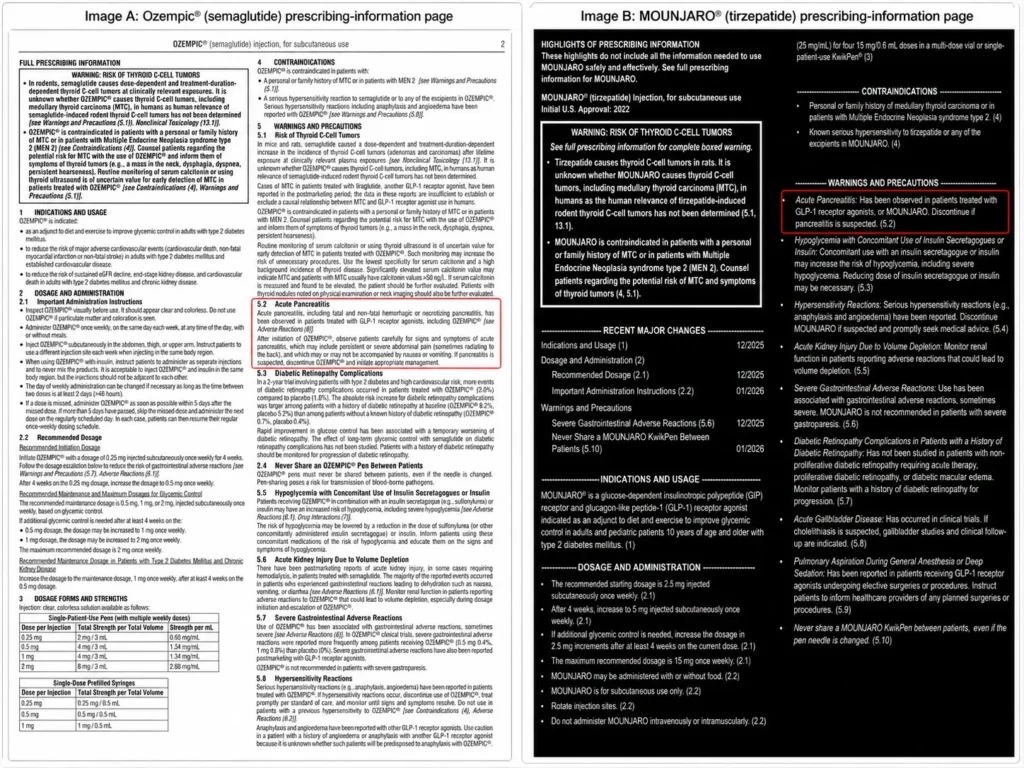
Ozempic and Mounjaro prescribing label information
Getslim has administered over a thousand weight-loss injections without a documented case of pancreatitis.
For Dr. Timi, that risk is something to interpret properly. Some of the broader studies around pancreatitis are shaped by non-African populations with different risk profiles, including alcohol exposure. Alcohol can damage the pancreas over time, which may increase someone’s baseline risk of pancreatitis.
That matters because the same baseline risk does not automatically apply to most Nigerian patients. “So in our own phenotype, our own kind of people, it’s extremely rare,” Dr. Timi says. “We do not have the same pancreatitis exposure and phenotype.”
Again, that doesn’t mean pancreatitis is impossible. If you have a history of heavy alcohol use or previous pancreas problems, your risk profile may be different. But for most patients, the warning needs proper context before it becomes a reason to avoid treatment completely.
Thyroid Cancer
Thyroid cancer is the other major fear patients bring into consultations.
Some people hear the warning and assume the risk is almost 50-50.
“Many people assume it’s almost a 50-50 situation, like if they take it, there’s a 50 percent chance they’ll develop cancer,” he says, “which is completely untrue.”
The warning exists because, during animal testing, some rats developed a specific type of thyroid tumour. That’s very different from saying the same cancer risk has been shown in humans. Studies have shown there’s no substantial increase in thyroid cancer risk among GLP-1 users.
“The incidences of cancer are not even found in humans,” he explains. “They’re found in rats.”
The actual warning is specific: If you have a personal or family history of medullary thyroid cancer, or a condition called Multiple Endocrine Neoplasia syndrome (MEN2) type 2, these medications are not for you. That’s one of the things Getslim screens for before prescribing.
But it’s not the same as saying that taking Ozempic or Mounjaro gives you a high chance of developing cancer.
That said, you shouldn’t ignore the warning, but consider context to understand whether it actually applies to you.
Why Medical Supervision Matters Before You Start
Once you understand the risks in context, the next question is which one is right for you.
Weight-loss injections are prescription medications, not products to start casually because someone online recommended a dose or brand. They work differently depending on your weight, health history, current medications, and how your body responds once treatment begins.
That is why who should and should not use them matters more than most social online comparisons suggest.
Who Is a Good Candidate?
These medications are usually considered for patients with a BMI of 30 or above, or a BMI of 27 or above with weight-related conditions like type 2 diabetes, hypertension, or PCOS.
They may also be considered for patients who have tried to lose weight through diet and lifestyle changes but have struggled to achieve lasting results.
Who Should Avoid or Be Carefully Screened?
As we pointed out above, people with a personal or family history of medullary thyroid cancer, or Multiple Endocrine Neoplasia type 2 (MEN2), should avoid these medications.
If you’re pregnant, trying to conceive, or breastfeeding, your doctor also needs to know before prescribing any weight-loss injection. Conditions like kidney disease, diabetic retinopathy, or a history of pancreas problems don’t automatically disqualify you, but they do need careful screening before you start.
Also, if you’re on sulfonylurea diabetes medication, there may be a risk of dangerously low blood sugar (hypoglycemia) when combined with GLP-1 injections.
Before starting treatment at Getslim, we run a full blood count, check kidney function, assess blood sugar levels, and carry out a pregnancy test. If any results come back significantly abnormal, we pause or withhold treatment until it is safe to proceed.
What a Supervised Programme Should Include
Two things matter more than most patients realise when choosing where to start treatment:
- Gradual dose escalation. Not all providers start patients on the lowest appropriate dose. Some start too high. Getslim’s approach is to start at an appropriate dose and increase carefully, so patients can stay on the medication long enough to see meaningful results without being overwhelmed by side effects in the early weeks.
- Verified sourcing and cold-chain integrity. A drug that was not kept at the right temperature during transport may lose efficacy before it reaches you. Getslim sources from certified vendors and verifies the cold chain at every stage.
This matters even more now that demand for GLP-1 medications has created a wider market for illegally sold versions. The FDA has warned that these unapproved and compounded GLP-1 medications used for weight loss, may carry risks from incorrect dosing, contamination, or unknown ingredients, as they’re often circulated without proper medical screening.
Beyond these, a supervised programme should include full clinical history-taking, dietitian support, and active support for managing side effects throughout treatment.
When Weight-Loss Injections May Not Be Enough
A minority of patients do not respond adequately to GLP-1–based anti-obesity medications, despite correct dosing and authentic products. In some cases, this comes down to genetic differences.
The body may not have the receptors needed for the medication to work properly, so the drug circulates without producing a meaningful effect. Hormonal factors such as insulin resistance and leptin dysregulation can also influence how the body responds.
For some patients, the issue is not that the injection does nothing. It is that the result does not match the money, time, and effort going into it.
Dr Timi understands how this might take a toll on non-responders and says, “for the amount they’re paying, they want something that’s more predictable in terms of weight loss.”
There are also people who achieve strong initial results, stop the medication, and regain the weight. Some may lose 20 to 25 kilograms with excellent progress, only to regain much of that weight within a few months of stopping. Over time, that cycle becomes frustrating and difficult to sustain.
When Surgery May Be the Better Tool
For patients managing significant weight-related conditions, or those who have tried medical weight loss more than once without lasting results, bariatric surgery may offer a more predictable and durable path.
That does not mean surgery is automatically the next step. It means that if injections are not giving you enough weight loss, or the weight keeps coming back after you stop, it may be worth discussing other options earlier rather than repeating the same cycle.
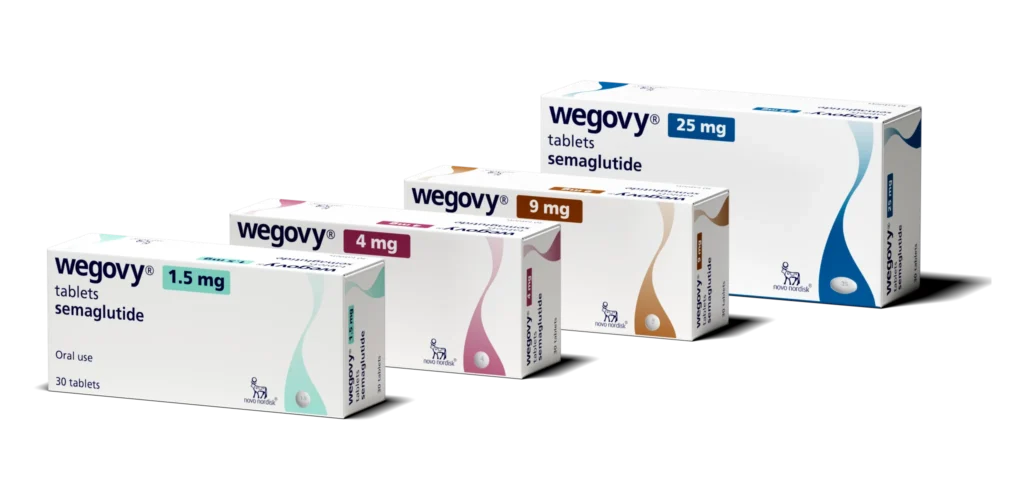
If weekly injections are the part that puts you off, oral options are already emerging. Wegovy now has a once-daily semaglutide pill for weight loss, though availability may vary by country.
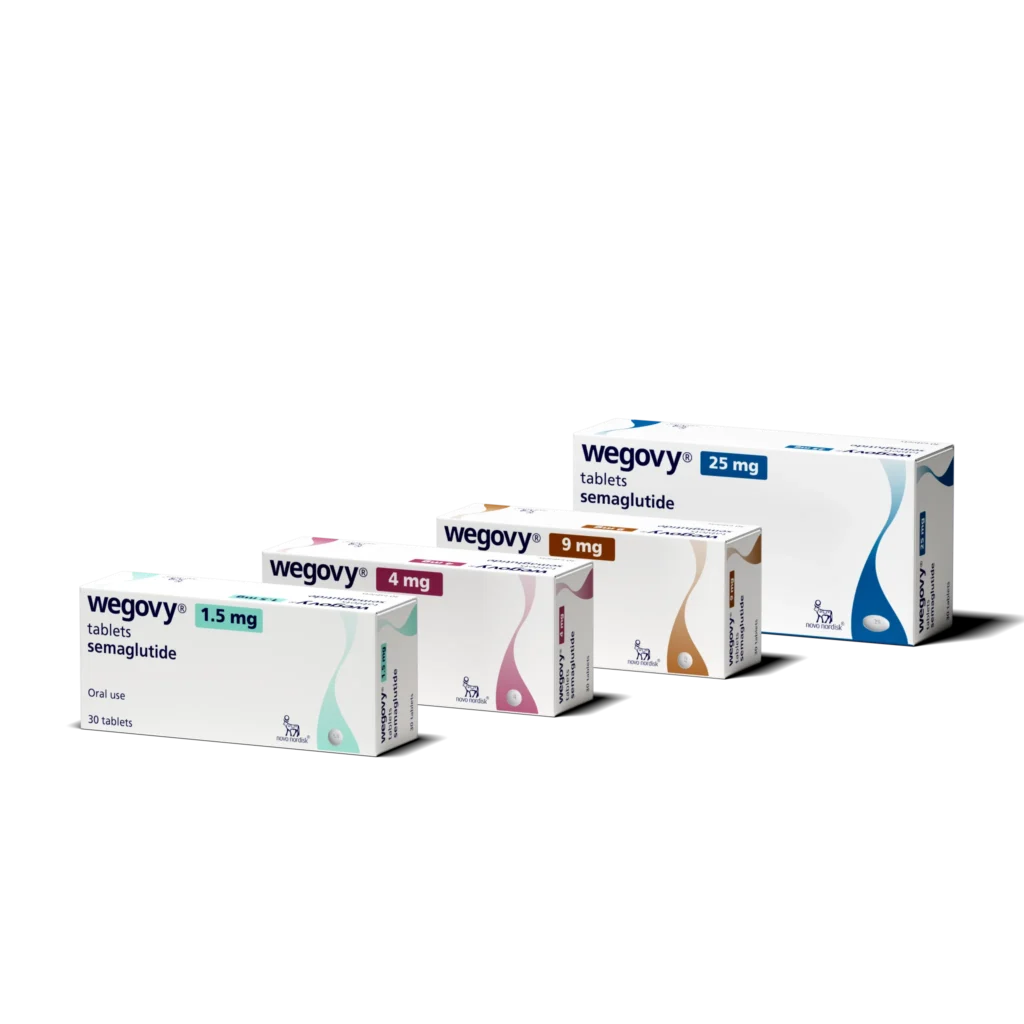
Newer pills like Aleniglipron are also in development. Getslim is also watching this space and plans to offer oral options once they’re approved and available.
Ozempic vs Mounjaro: Which Should You Choose?
There is no single right answer for every patient. The better question is what you need the medication to do, and what your budget allows.
If budget is your primary consideration, semaglutide is the more affordable starting point. At Getslim, patients on this path begin a medically supervised generic semaglutide programme.
If maximising weight loss is the priority, Mounjaro is the stronger option. Clinical trial data and Dr. Timi Adenuga’s in-practice experience both suggest tirzepatide produces greater weight loss and stronger appetite control. If you’ve tried semaglutide with limited results, you may opt for tirzepatide.
Recent Posts
- Retatrutide: What the New Weight Loss Drug Could Mean for Obesity Treatment in Nigeria
- The Dangerous Rise Of Unsupervised Weight Loss
- The First Year After Bariatric Surgery: What to Expect
- Why Do Nigerians Still Hide Their Weight Loss Journeys?
- Gastric Balloon Diet: What Do I Eat After Gastric Balloon Insertion?
If neither has worked, or if you’ve lost weight on injections only to regain it more than once, medication may not be the right tool at all. At that point, it may be worth discussing whether bariatric surgery like gastric sleeve or bypass for a more predictable and durable path.
Either way, the medication is only one part of the decision. Proper screening, verified sourcing, careful dosing, and ongoing clinical support are what help turn either option into a safer, more reliable outcome.
Book a consultation with Getslim to find out which treatment is safest and most effective for your body.